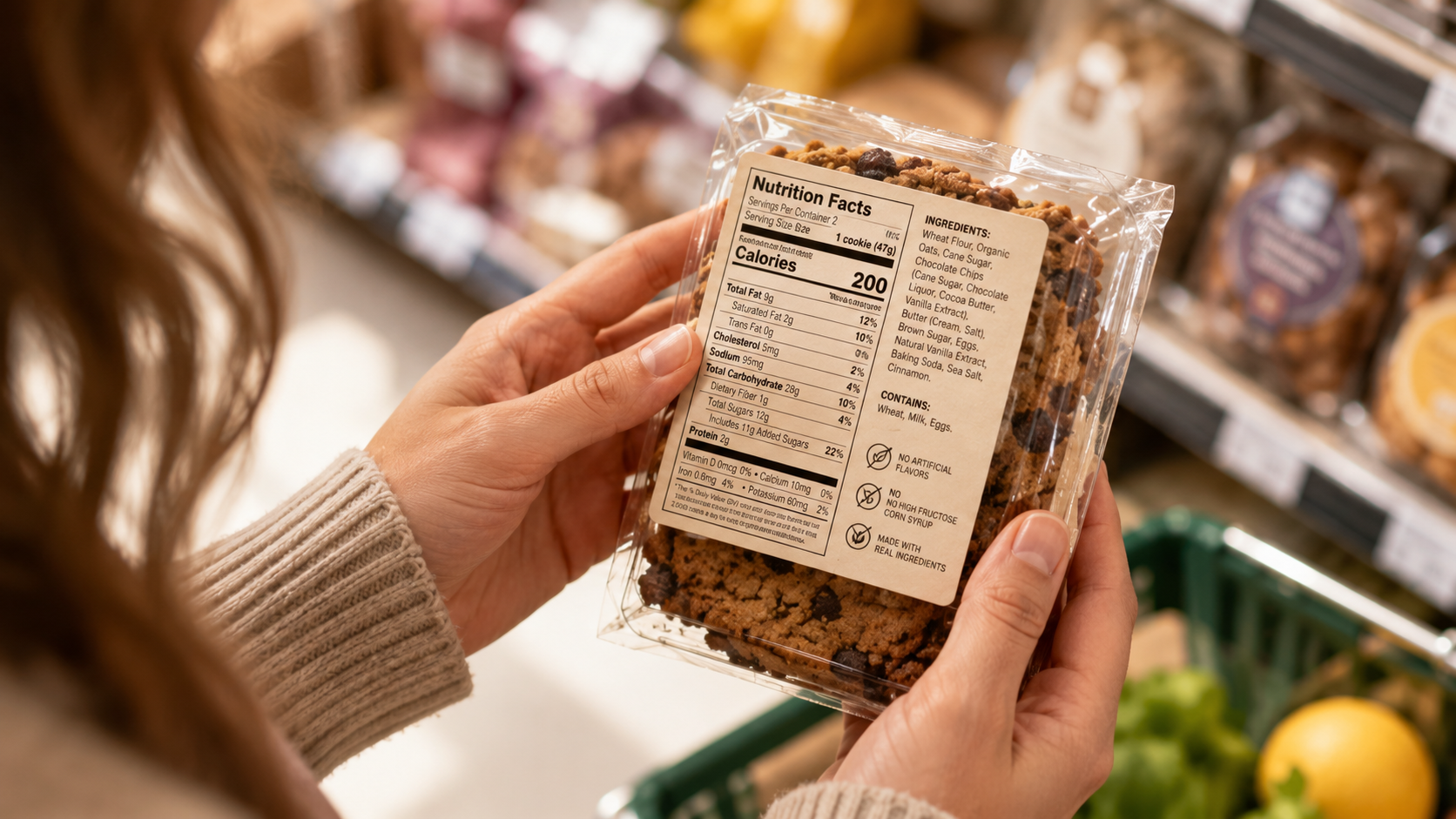
Emotional well-being is not simply the absence of distress. It is the presence of something more positive: a sense of inner balance, the capacity to move through difficulty without being overwhelmed by it, and enough genuine ease in daily life to enjoy what matters. These are qualities that most people want and far fewer people have consistently. The search for tools that support emotional equilibrium is a legitimate and ongoing one, and infused desserts have earned a place in that conversation.
The connection between cannabinoids and emotional experience is not casual or anecdotal. The endocannabinoid system is directly involved in regulating mood, emotional memory, and the way the nervous system processes experiences. Compounds in infused desserts interact with this system in ways that can genuinely support emotional balance, not by suppressing feelings, but by reducing the physiological over-reactivity that makes ordinary stressors feel unmanageable.
Quick Answer: Infused desserts support emotional well-being by interacting with the endocannabinoid system’s mood regulation pathways. At appropriate doses, they can reduce emotional tension, quiet mental over-activity, support a more stable mood, and create the kind of physical ease that allows difficult emotions to process without overwhelming the nervous system. They work best as part of a broader approach to emotional wellness rather than as a standalone solution.

The Endocannabinoid System and Emotional Regulation
The endocannabinoid system has a deep influence over how emotions are experienced and regulated. CB1 receptors, which THC interacts with most directly, are concentrated in areas of the brain including the amygdala and prefrontal cortex, both of which govern how emotional stimuli are processed and how strongly the stress response activates. When these pathways are in balance, emotions feel proportionate to their triggers. When they are dysregulated by chronic stress or depletion, emotional reactivity increases.
CBD supports emotional regulation through a different mechanism: by slowing the breakdown of anandamide, the body’s naturally produced endocannabinoid sometimes called the bliss molecule. Higher anandamide levels are associated with a more stable, positive emotional baseline, and CBD’s role in maintaining those levels is one of the reasons it has attracted interest in the context of mood and anxiety support.
The documented benefits of hemp-derived THC for emotional states reflect this physiology: at moderate doses, many people report a softening of emotional rigidity, a more spacious relationship with difficult thoughts, and an increased capacity to simply be present without the mental noise that chronic stress generates.
What Emotional States Infused Desserts Support Best
The emotional states that respond most consistently to infused desserts are those driven by heightened nervous system activity: anxiety, irritability, emotional exhaustion, and the kind of low-level tension that accumulates over a demanding day. Infused treats and anxiety relief is a well-documented effect that many users describe as one of the most reliable benefits of regular, moderate use.
The slow-release nature of edibles makes them particularly effective for sustained emotional support rather than quick relief. Balanced mood through slow-release edibles reflects the way gradual cannabinoid release supports a more consistent emotional baseline across an evening rather than producing a spike and drop.
Emotional flatness, low motivation, and the grey feeling that often accompanies prolonged stress also respond to infused desserts, particularly those with THC-forward profiles that support the dopamine release associated with positive mood. This is distinct from depression, which warrants professional attention, but it reflects the everyday emotional drain that accumulates when rest and recovery are consistently inadequate.
The Role of Pleasure in Emotional Well-Being
There is an aspect of emotional support in infused desserts that goes beyond their pharmacological effects: they are genuinely enjoyable. Eating something delicious, made with quality ingredients, at a moment deliberately set aside for yourself, activates pleasure and reward pathways in the brain that have their own emotional value. The act of choosing to nurture yourself with something good is an emotional signal as much as a physical one.
The capacity of infused desserts to improve mood naturally through infused goods is partly pharmacological and partly experiential. Both dimensions matter, and both are worth taking seriously when thinking about how these treats fit into a broader emotional wellness practice.
When people describe the emotional benefits of a quality infused brownie or cookie, they are rarely talking only about the THC or CBD. They are talking about a moment of pleasure and ease in a day that did not have enough of either. That combination, quality food plus physiological support, is what makes infused desserts a different category from supplements taken out of obligation.
Using Infused Desserts as Part of Emotional Self-Care
Infused desserts work best as one element of a broader emotional wellness approach. Part of a daily wellness routine, they can provide consistent support for emotional regulation without becoming the sole strategy for managing difficult feelings.
The most effective emotional self-care combines multiple approaches: regular physical activity, genuine rest, meaningful connection with others, and moments of deliberate pleasurable ease. Infused desserts contribute to that last category particularly well. Their role in helping to reduce the weight of daily stress frees up emotional resources that can then be directed toward the other areas.
For evenings specifically, when the emotional residue of the day needs to be processed and released before proper rest can happen, infused desserts that are ideal for evening emotional recovery provide a practical and enjoyable tool for that transition.
What Infused Desserts Cannot Replace
Emotional well-being has layers that infused desserts can support but cannot replace. Persistent low mood, anxiety that significantly impairs daily functioning, grief, trauma, and diagnosed mood disorders all warrant professional support. Infused desserts can take the edge off a hard day. They cannot process the underlying experience that is causing ongoing distress, and they should not be used as a way to avoid engaging with what genuinely needs attention.
The same principle applies to relationship issues, professional difficulties, and life circumstances that are generating emotional difficulty. Feeling temporarily calmer while these situations continue unchanged may provide relief but does not resolve them. Using infused desserts as part of a genuine self-care practice is different from using them to avoid addressing what needs addressing.
When used within these sensible limits, infused desserts occupy a legitimate and genuinely useful place in an adult’s emotional wellness toolkit. They support the nervous system’s natural regulatory capacity, reduce the physiological burden of stress, and provide moments of genuine pleasure that matter to emotional health in their own right.
Frequently Asked Questions
Can infused desserts help with grief or loss?
They may provide some comfort and ease during difficult periods by reducing the physical manifestations of distress and supporting moments of genuine rest and peace. However, grief is a natural process that benefits from support rather than suppression, and professional or community support is important alongside any comfort measures.
Are infused desserts safe to use during emotionally difficult periods?
For most healthy adults, moderate use is well-tolerated. During periods of significant emotional vulnerability, some people find that THC can occasionally amplify difficult feelings rather than soothe them. Starting with a very low dose and paying close attention to personal response is advisable during these times.
How often should I use infused desserts for emotional support?
This is a personal decision that depends on individual response, tolerance, and life circumstances. Many people find occasional use, a few times per week, provides meaningful emotional support without building significant tolerance. Daily use warrants more attention to whether the tool is supporting emotional health or substituting for other approaches.
Do infused desserts have any lasting effects on emotional regulation, or only immediate ones?
Most of the emotional benefits are tied to active cannabinoid presence in the system, meaning they are temporary. However, consistently having good evenings, resting well, and experiencing regular moments of genuine ease over time contributes positively to overall emotional resilience in ways that extend beyond any individual session.
Can I use infused desserts to support emotional well-being while in therapy?
Many people do, and therapists are increasingly familiar with cannabis use in their clients. Transparency with your therapist about your use allows them to incorporate it into the overall picture of your care. In some cases, the emotional openness that infused treats can produce between sessions supports the therapeutic work.
The Bottom Line
Infused desserts support emotional well-being through genuine physiological mechanisms that interact with the body’s own mood regulation systems. They are most effective as part of a broader, intentional approach to emotional wellness rather than as a standalone solution.
Blazed Bakery creates hemp-derived infused treats crafted to genuinely nourish the experience of a calmer, more balanced emotional life. Visit one of the Chicago-area locations or browse the online store to find the treat that fits your evening.