Choosing THC edibles should be an enjoyable and safe experience, but the truth is that not every product on the market is created with the same level of quality or care. This is why lab reports, also known as Certificates of Analysis, are one of the most important tools you have as a consumer. These reports help you understand exactly what is inside your edibles, how potent they are, and whether they meet safety standards. In this article, you will learn what a COA is, why it matters, what you should look for, and how it protects you when shopping for THC products.
What Is a Certificate of Analysis and Why It Matters
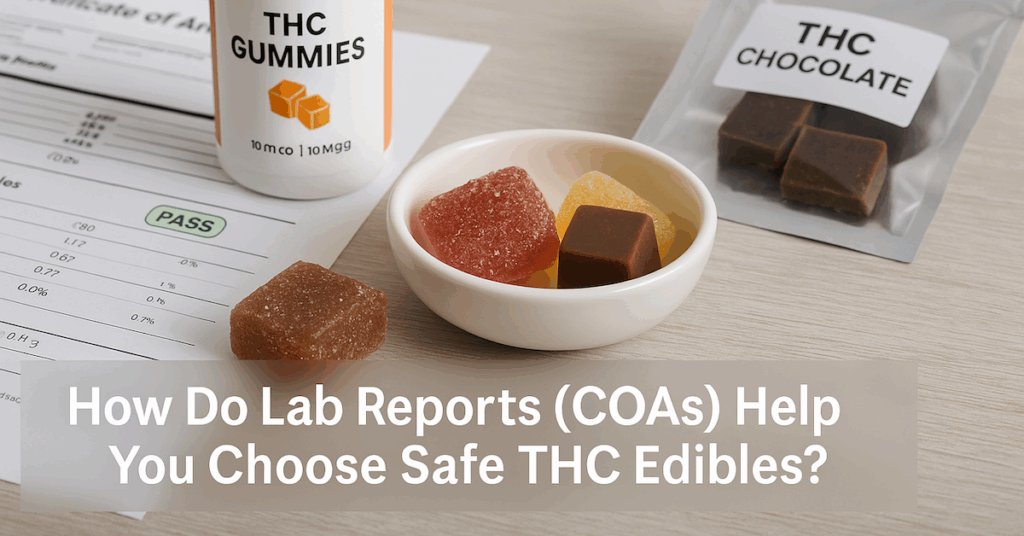
A Certificate of Analysis is a document created by an independent laboratory that tests THC products to confirm what they contain. It verifies the levels of cannabinoids, checks for harmful substances, and ensures the product matches its label. Without a COA, you are essentially buying blind, because there is no proof the edible contains the amount of THC it claims or that it is free from contaminants.
For anyone who wants safe and reliable THC edibles, checking the COA should be the first step.
What Information You Will Find in a COA
A COA provides a detailed breakdown of everything found in the product. Understanding these sections helps you choose edibles that are safe and accurately dosed.
Cannabinoid Potency Levels
This section shows the exact amount of THC, CBD, and other cannabinoids in the edible. It is important because potency can vary widely between products. A product labeled 10 milligrams of THC should actually contain close to that amount. A COA verifies this, helping you avoid unexpectedly strong or weak effects.
Contaminant Screening
Safe edibles are tested for pesticides, heavy metals, mold, and residual solvents. These contaminants can be harmful if consumed, especially in high concentrations. A COA clearly lists if any were detected. Look for a report that shows all contaminant levels are either zero or well below safety limits.
Terpene Profile
Not all COAs include this section, but when they do, it shows the aroma and flavor compounds in the edible. Terpenes can influence the overall experience, so this is useful if you prefer certain flavor profiles or effects.
Batch Number and Testing Date
Every COA should match the batch number printed on the package. The testing date also matters because older reports may not reflect the current product. A recent testing date shows the brand is committed to transparency and consistency.
Why COAs Protect You When Buying THC Edibles
A COA is more than a document. It is a form of consumer protection. Here is how it benefits you.
It Confirms Product Safety
Without lab testing, you cannot know whether the edible is free of harmful contaminants. A COA confirms that the product is safe to eat and has passed all required tests.
It Verifies Accurate Dosage
Edibles with inaccurate dosing can lead to uncomfortable experiences. If the actual THC amount is much higher than advertised, a beginner could easily take too much. A COA ensures that the dosing on the label is reliable.
It Builds Trust With the Brand
Brands that publish COAs are usually confident in their products. They understand that transparency matters and want customers to make informed choices. If a company hides or refuses to share COAs, that is a sign to look elsewhere.
How to Read a COA and Make an Informed Choice
Reading a COA is simple once you understand the key areas.
First, check the cannabinoid section to see if the THC level matches what the package claims. Next, review the contaminant screening and make sure everything shows a pass or is listed as not detected. Confirm the batch number and make sure the testing date is within a reasonable time frame. If the COA is unclear or poorly organized, that may be a sign of low quality or rushed testing.
How to Verify That a COA Is Authentic
Some brands provide QR codes that link directly to the lab’s website. This is one of the easiest ways to verify authenticity. You can also check whether the lab is a recognized third party. Independent labs should not be owned by the same company that sells the edible. If everything checks out, you can feel confident that the product was tested honestly.
What It Means When a Product Does Not Have a COA
If a THC edible does not come with a COA or the brand refuses to provide one, this is a major red flag. It may mean the product was not tested, or that the results were not good enough to publish. Products without COAs may contain incorrect THC levels or dangerous contaminants. It is always safer to choose brands that offer full transparency.
Benefits of Choosing Lab Tested THC Edibles
Lab tested edibles give you peace of mind. You know exactly what you are eating, how strong it is, and whether it meets safety standards. This makes your experience smoother, safer, and more enjoyable. Reliable COAs also help you compare products and pick the one that best fits your dosage needs.
Lab tested products also tend to come from brands that care about consistency. That means you can expect the same quality every time you order.
Conclusion
COAs are essential for anyone who wants safe, reliable, and accurately dosed THC edibles. They verify potency, screen for contaminants, and provide transparency that helps you choose the best product for your needs. Whether you are a first time user or someone who enjoys edibles regularly, checking lab reports is one of the smartest steps you can take.
For THC edibles that prioritize quality, flavor, and safety, Blazed Bakery provides desserts made with careful dosing and transparent lab testing, helping you enjoy your experience with confidence.